Avila
Avila · What to see

What to see in Ávila: the 8 essentials

The best-preserved medieval wall in Europe, a cathedral whose apse is a defensive tower, the house where St Teresa was born and the viewpoint from which you see the whole ring of stone.

Ávila is the most complete walled city in Europe and that conditions everything else: the enclosure would not let the city grow, and that is why the centre is still the same one as in Roman times and why the whole came down to us intact. Inside are the cathedral set into the wall itself, the palaces of the wool nobility and the house where Teresa de Cepeda was born; outside, the Romanesque churches of golden sandstone and the viewpoint from which the city can be seen as a complete object.

The 8 must-sees

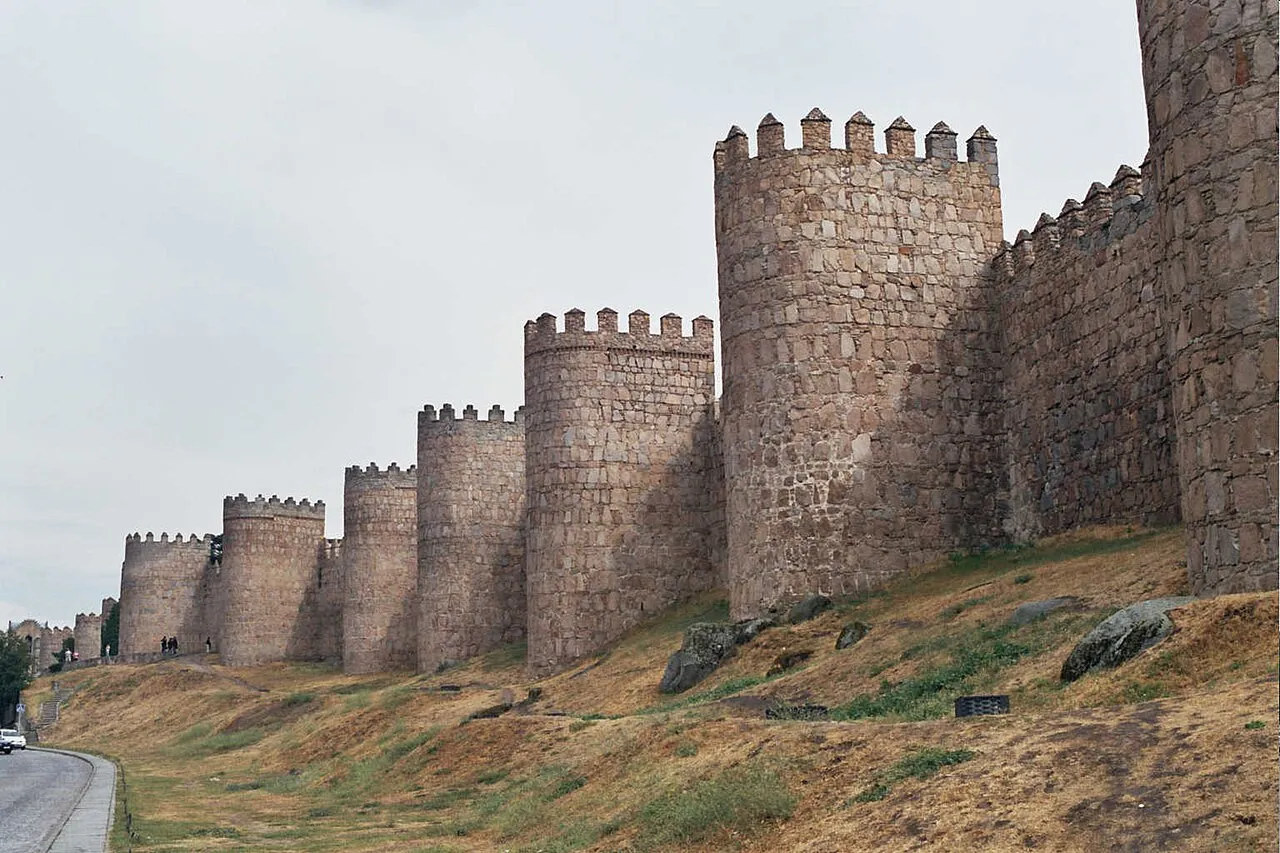
1Walls of Ávila

Walls of Ávila

Two thousand five hundred metres closed, twelve metres high, eighty-seven towers and some two thousand five hundred merlons. It is not a stretch: it is the whole ring. The towers are very close together because with bow and crossbow the range is short and no wall could be left uncovered. Some of the blocks are reused Roman and Visigothic slabs.

🎧 Walled Ávila: the city of the walls and of Saint Teresa📍 View on Google Maps
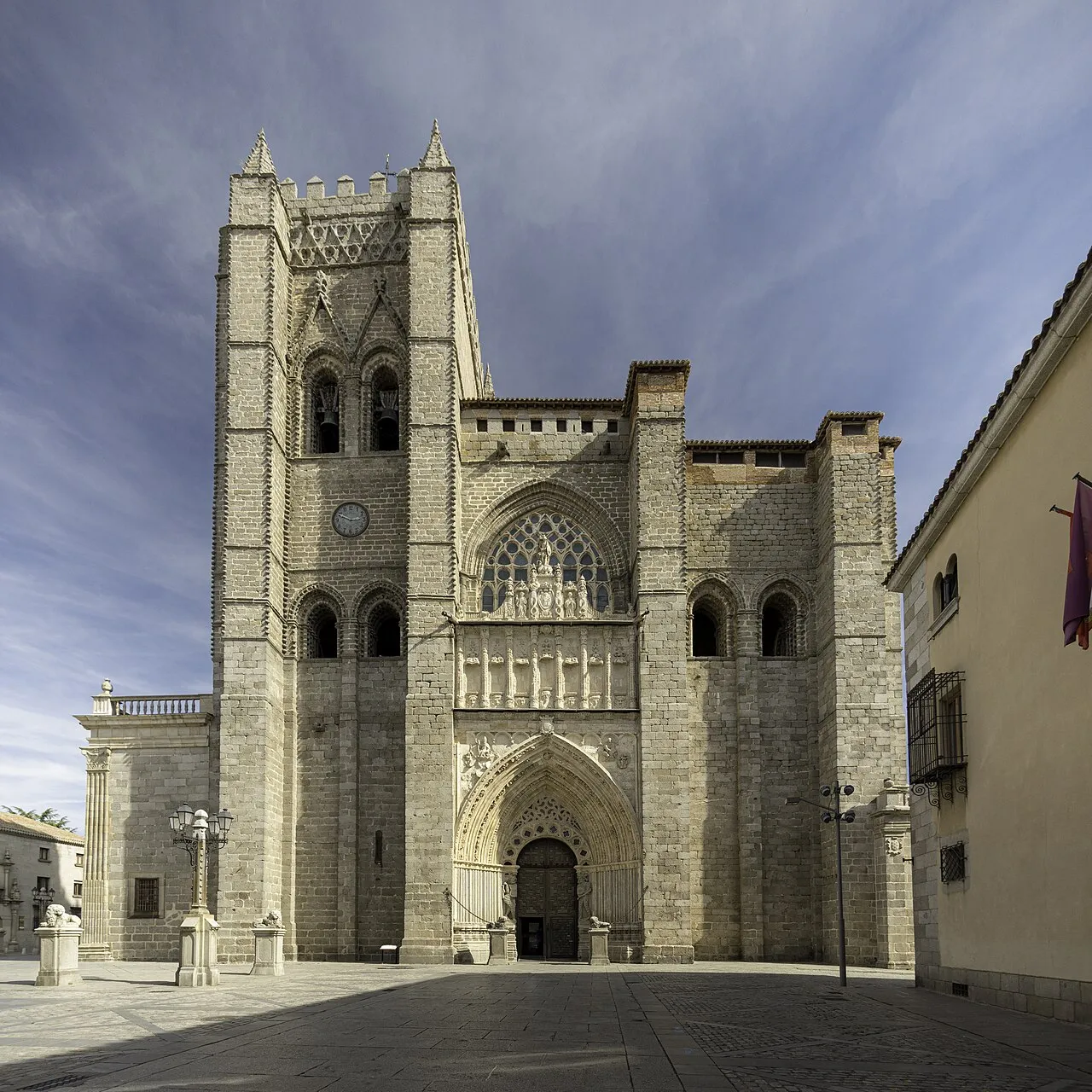
2Ávila Cathedral

Ávila Cathedral

Its apse does not stand beside the wall: it is a tower of the wall. Church and fortress in the same wall, unique in Spain. It is credited with being the first Gothic cathedral in the peninsula and it has the first ambulatory. Inside, the granite mottled red that in Ávila they call the bleeding stone.

🎧 Walled Ávila: the city of the walls and of Saint Teresa📍 View on Google Maps
3Basilica of San Vicente

Basilica of San Vicente

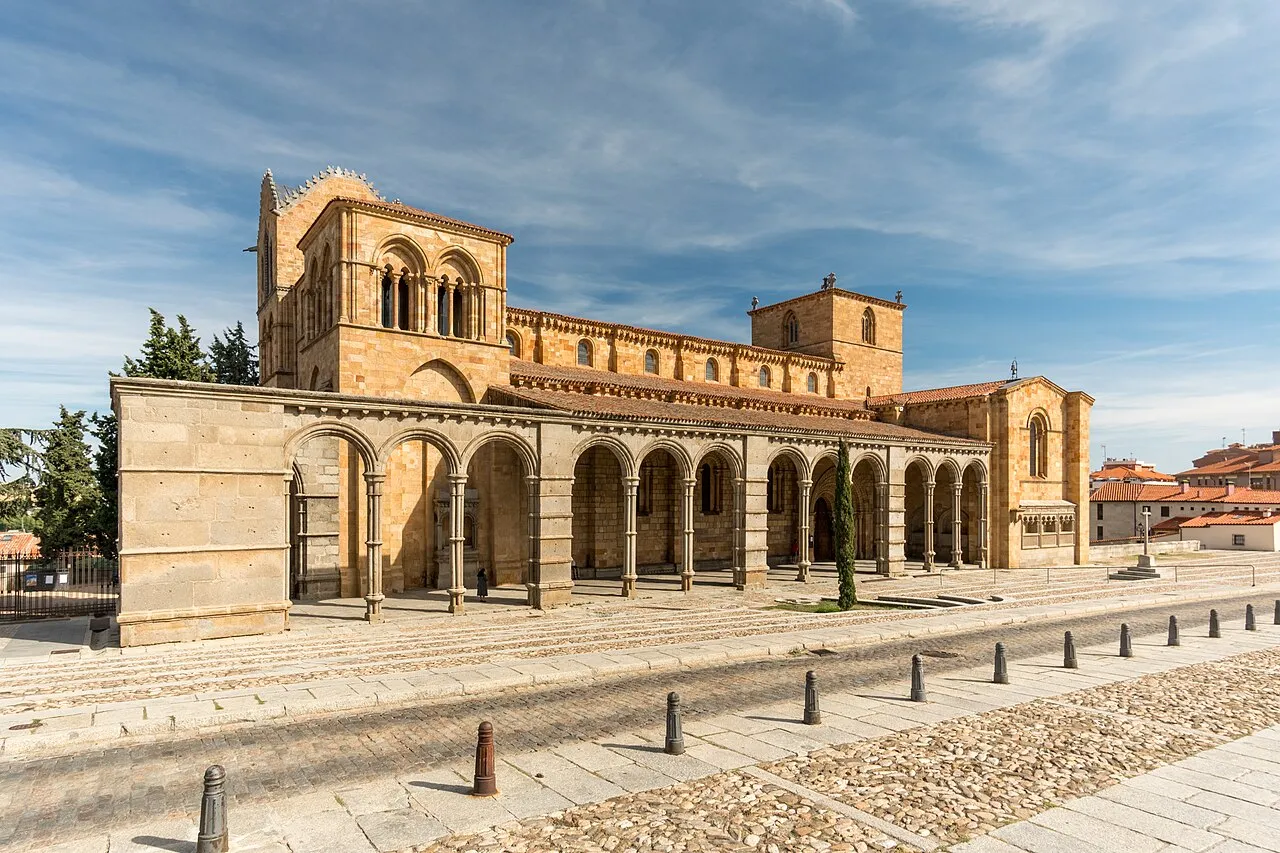
Outside the walls, and in another stone: caleña sandstone that catches fire in low light, against the grey granite of the enclosure. Its western doorway is a summit of Spanish Romanesque, and inside the cenotaph of the three martyrs narrates the martyrdom scene by scene under a Gothic baldachin. Go down to the crypt.

🎧 Walled Ávila: the city of the walls and of Saint Teresa📍 View on Google Maps
4Convent of Santa Teresa

Convent of Santa Teresa

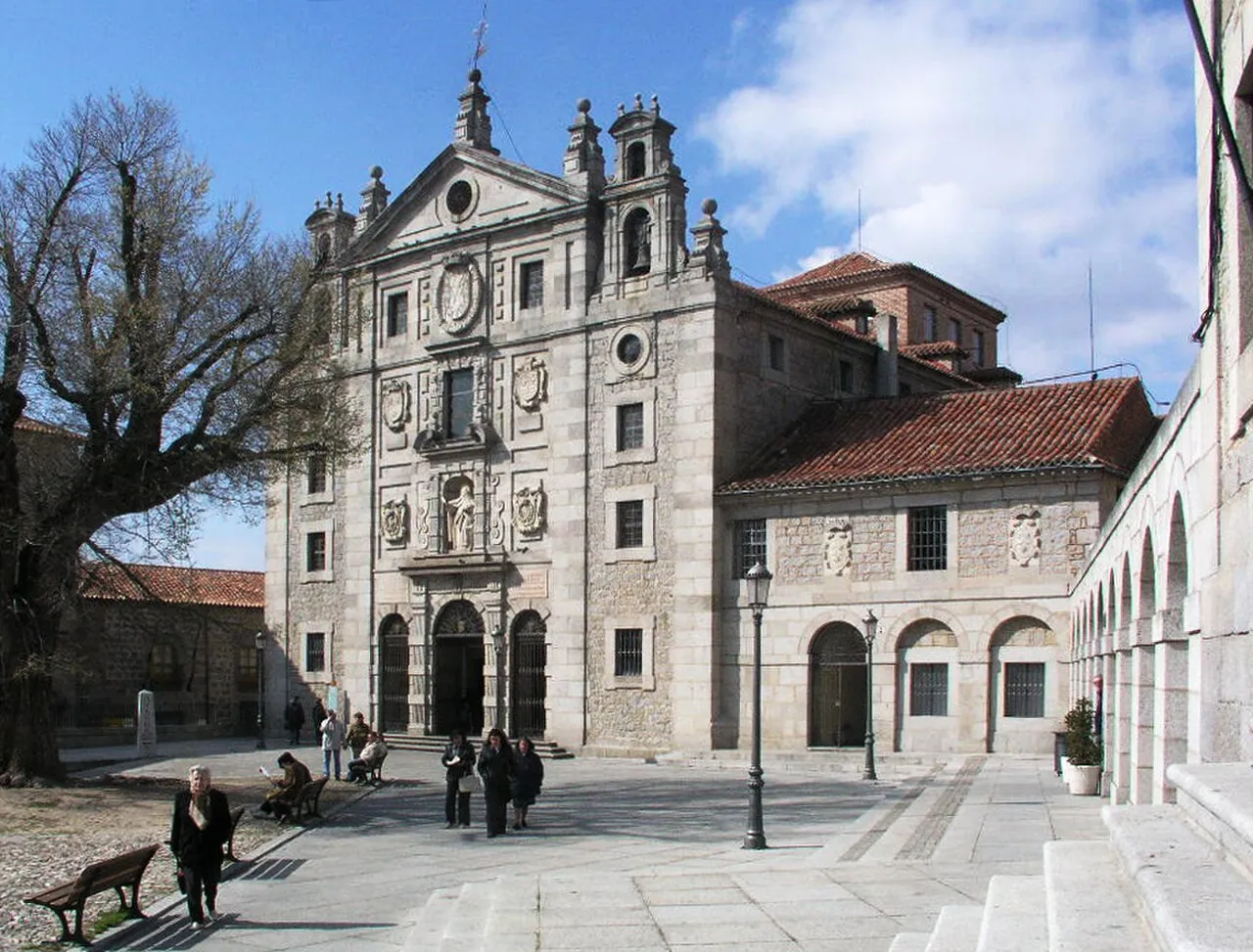
Raised in 1636 over the house where Teresa de Cepeda was born in 1515. It has a detail that explains everything: the church is turned, facing north and not east as convention required, so that the altar would fall directly above the room where she was born. Architecture bent by devotion.

🎧 Walled Ávila: the city of the walls and of Saint Teresa📍 View on Google Maps
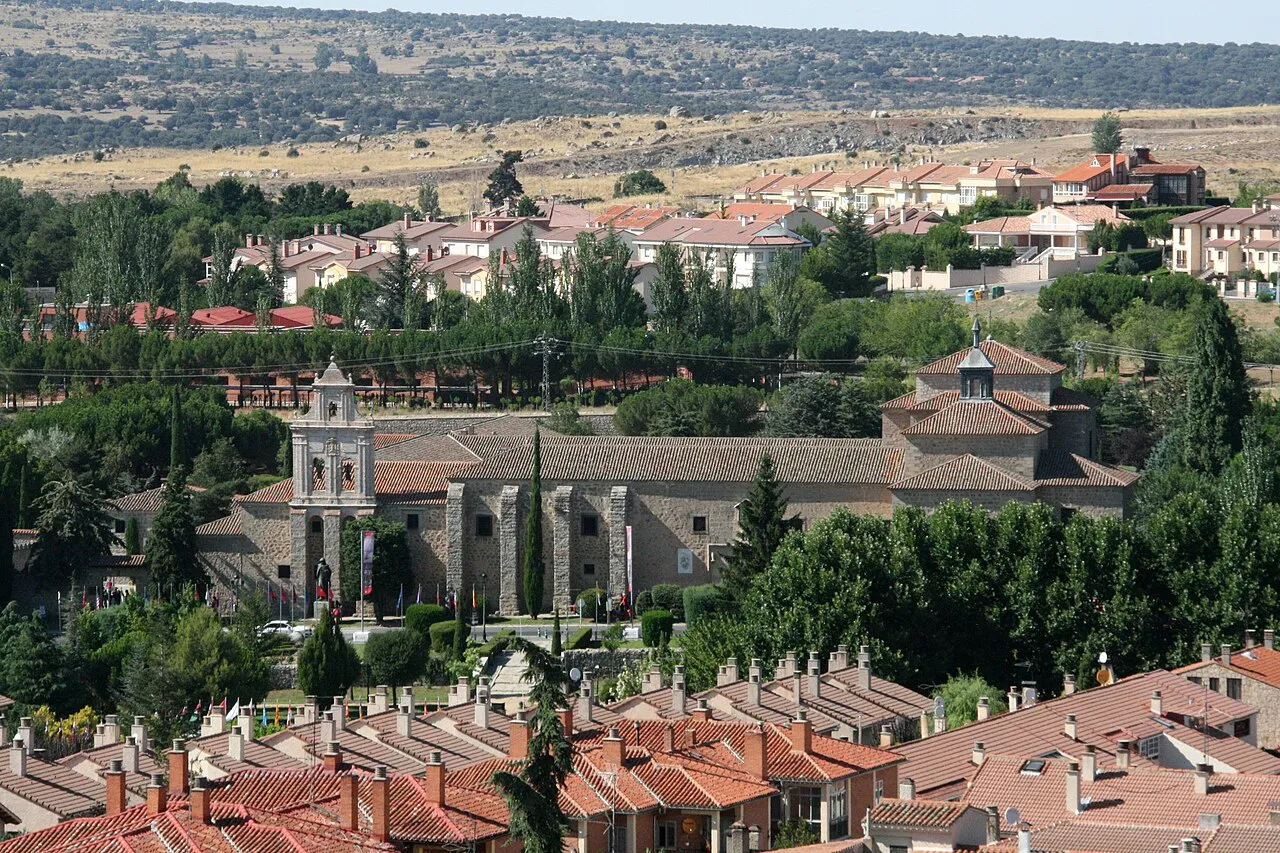
5Los Cuatro Postes

Los Cuatro Postes

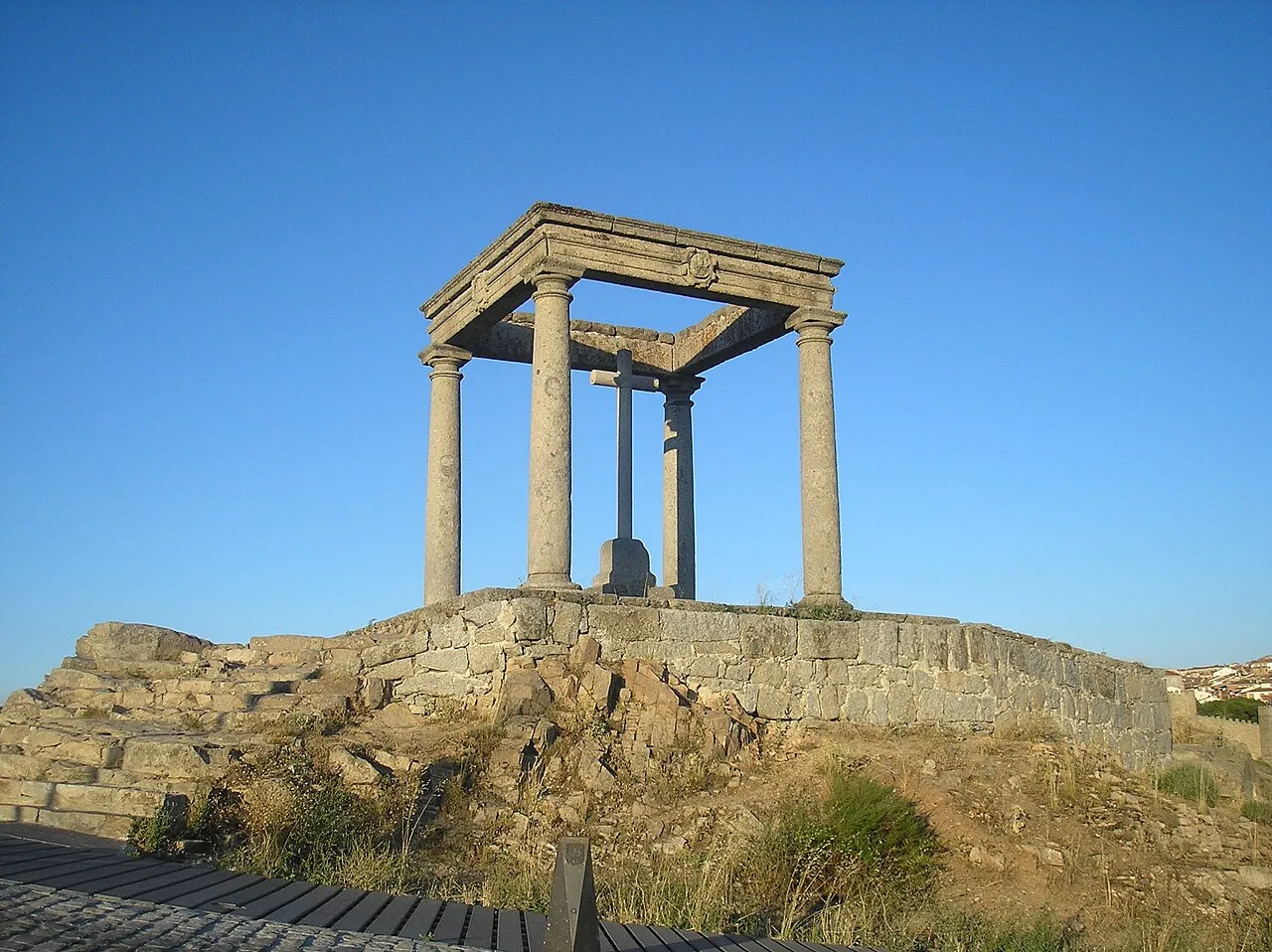
A humilladero of 1566 on the far side of the river, and the best place in the world to understand Ávila: from here the ring of wall appears entire on the hill, something impossible to perceive from inside. And this is where they caught Teresa at seven, running away with her brother to the land of the Moors to be martyred.

🎧 Walled Ávila: the city of the walls and of Saint Teresa📍 View on Google Maps
6Alcázar Gate

Alcázar Gate

The most solemn gate of the enclosure: two round towers joined at the top by a stone bridge, with machicolations over the head of anyone entering. This stretch is the highest and thickest of the whole wall because the ground here gave no natural advantage. Of the alcázar that gives it its name nothing remains.

🎧 Walled Ávila: the city of the walls and of Saint Teresa📍 View on Google Maps
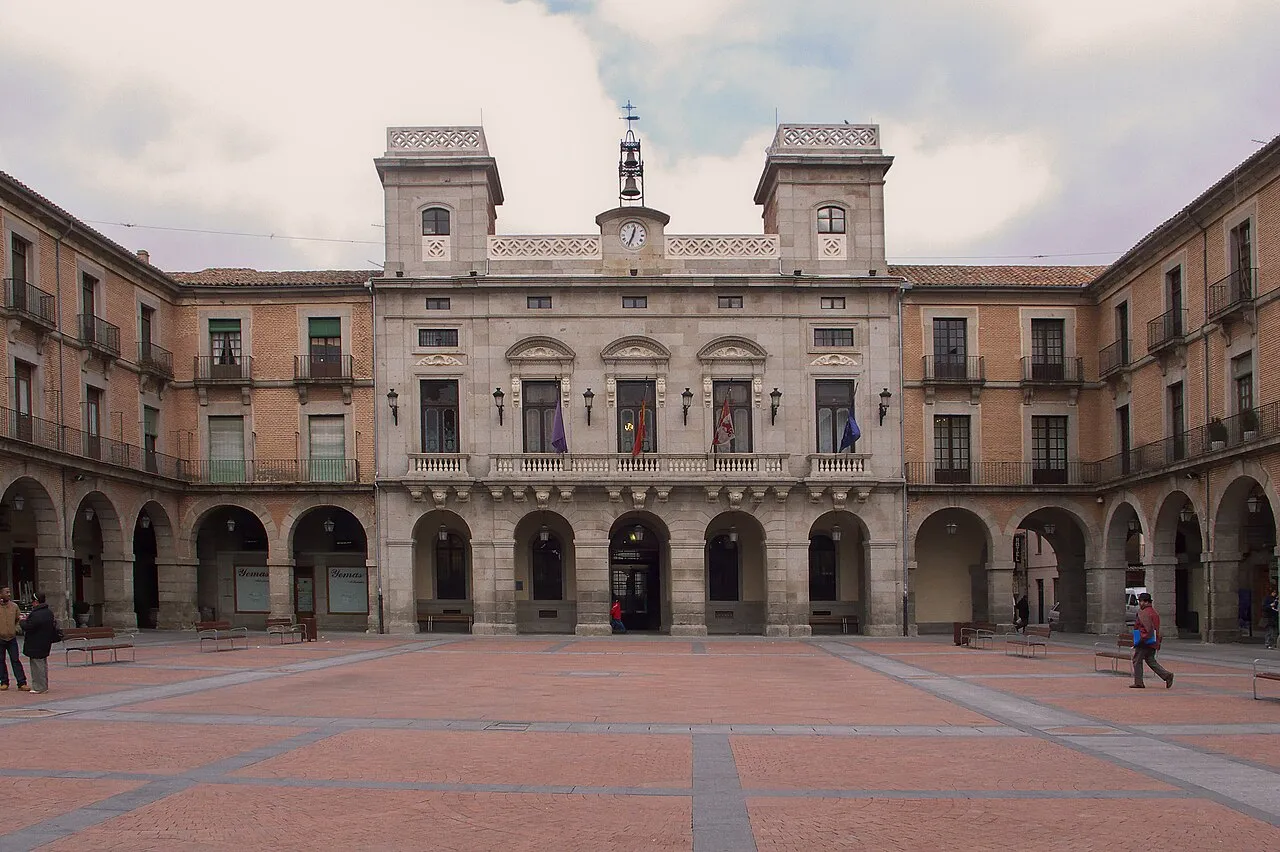
7Plaza del Mercado Chico

Plaza del Mercado Chico

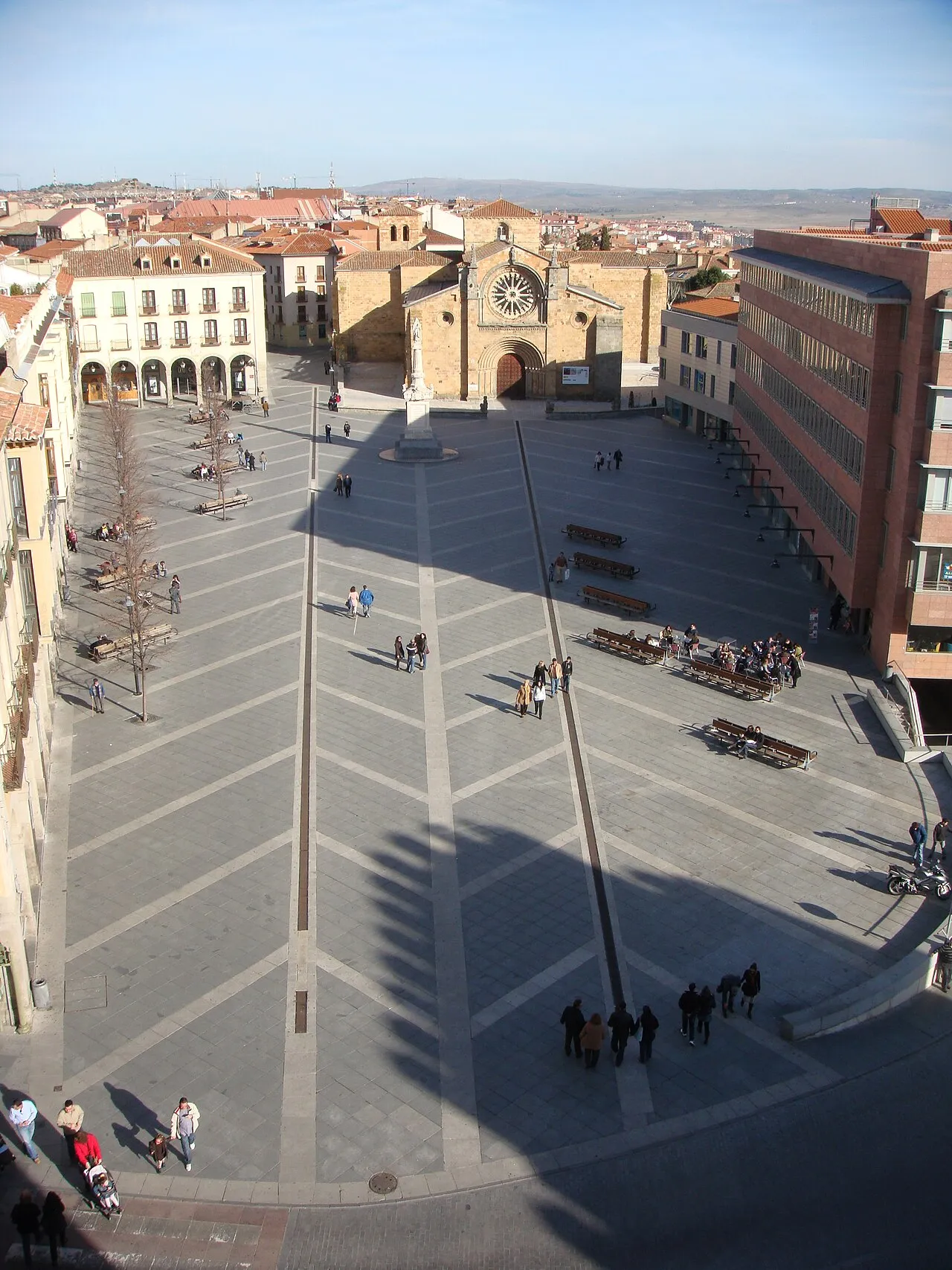
The city's drawing room, with arcades on three sides, and beneath it the forum of Roman Ávila: two thousand years of public life without moving. That continuity is rare, and it is due to the wall stopping the city from growing. It is called Chico, small, to distinguish it from the Mercado Grande, outside the walls.

🎧 Walled Ávila: the city of the walls and of Saint Teresa📍 View on Google Maps
8Monastery of the Incarnation

Monastery of the Incarnation

Teresa entered here in 1535 and lived almost thirty years: half a life. Here she was an unremarkable nun, fell ill, doubted and began to hear the voice that would launch her into reforming the Carmel. And here she overlapped with John of the Cross, who was her confessor while she was prioress. It is outside the walls, and that is why many people do not get there.

🎧 Walled Ávila: the city of the walls and of Saint Teresa📍 View on Google Maps

Walking tours in Avila

🎧 Walled Ávila: the city of the walls and of Saint Teresa

Frequently asked questions

Can you walk along the wall?

Yes, along the adarve, the wall walk that crowns the rampart, on several open stretches of different lengths, so it can be fitted to the time available. There are access points at several places, among them the Puerta del Alcázar. It is the best way to see it: you see the city inside and the countryside outside as a sentry did.

Where is the best view of Ávila?

At Los Cuatro Postes, on the far side of the river Adaja, fifteen minutes' walk from the Puerta del Alcázar. From there the ring of wall appears entire on the hill, something impossible to perceive from inside the enclosure. It is free with no opening hours, and it is worth doing first, before going into the city.

How many days do you need?

One long day is enough for the essentials: the wall, the cathedral, San Vicente, the convent of Santa Teresa and Los Cuatro Postes. With two days you fit in the complete Teresian circuit with la Encarnación, the other Romanesque churches outside the walls and the palaces of the enclosure without hurrying.

What is the Teresian circuit?

The three places that mark St Teresa's life in the city: the convent raised over her birthplace, inside the enclosure; the monastery of la Encarnación, outside the walls, where she lived almost thirty years; and the convent of San José, the first she founded. The three tell different moments of the same life.

What do you eat in Ávila?

Chuletón de Ávila, beef of the avileña breed with its own geographical indication, served very thick and grilled over coals; beans from El Barco de Ávila, also with a denomination; patatas revolconas with pork crackling; and for pudding, yemas de Santa Teresa. It is high-plateau cooking and fairly substantial.

When is the best time to visit?

Spring and autumn. Ávila is more than eleven hundred metres up, the highest provincial capital in Spain, and that means very cold winters with constant wind and short summers. On the wall walk, with no shelter at all, the temperature feels a good deal lower.
Avila on the map

The 8 must-sees, point by point.

🎧 With Viavoy

Walk Avila and listen at your own pace

Download Viavoy and walk Avila offline, whenever you like.

from 2,99 €· one-off payment
City Pass · 9,99 €3 days, all the tours in Avila
Find out more about Viavoy →
Viavoy app

In the Magazine

Keep discovering Avila

Itineraries

Ávila in one day: the walls, the fortress-cathedral and Teresa

Food & drink

Eating in Ávila: chuletón, judías del Barco and yemas

Monuments

The Romanesque of Ávila: the golden stone outside the walls

Monuments

The walls of Ávila: why they came down to us intact