Alicante
Alicante · What to see

What to see in Alicante: the 15 essentials

A Muslim castle hanging over the beach, a promenade with six million marble tesserae, a museum with Picassos and free entry, and a white quarter covered in flowerpots.

Alicante has a geography that explains almost everything: a crag of a hundred and sixty metres with a castle on top, a bay at its feet and a beach right in the centre. On that have been superimposed a Roman city called Lucentum — where the name comes from — a Muslim fortress, a walled stronghold against the pirates, and a nineteenth-century extension born when the walls came down. Everything is walked, and a good part of the best of it — the castle, the museums, the Explanada — is free.

The 15 must-sees

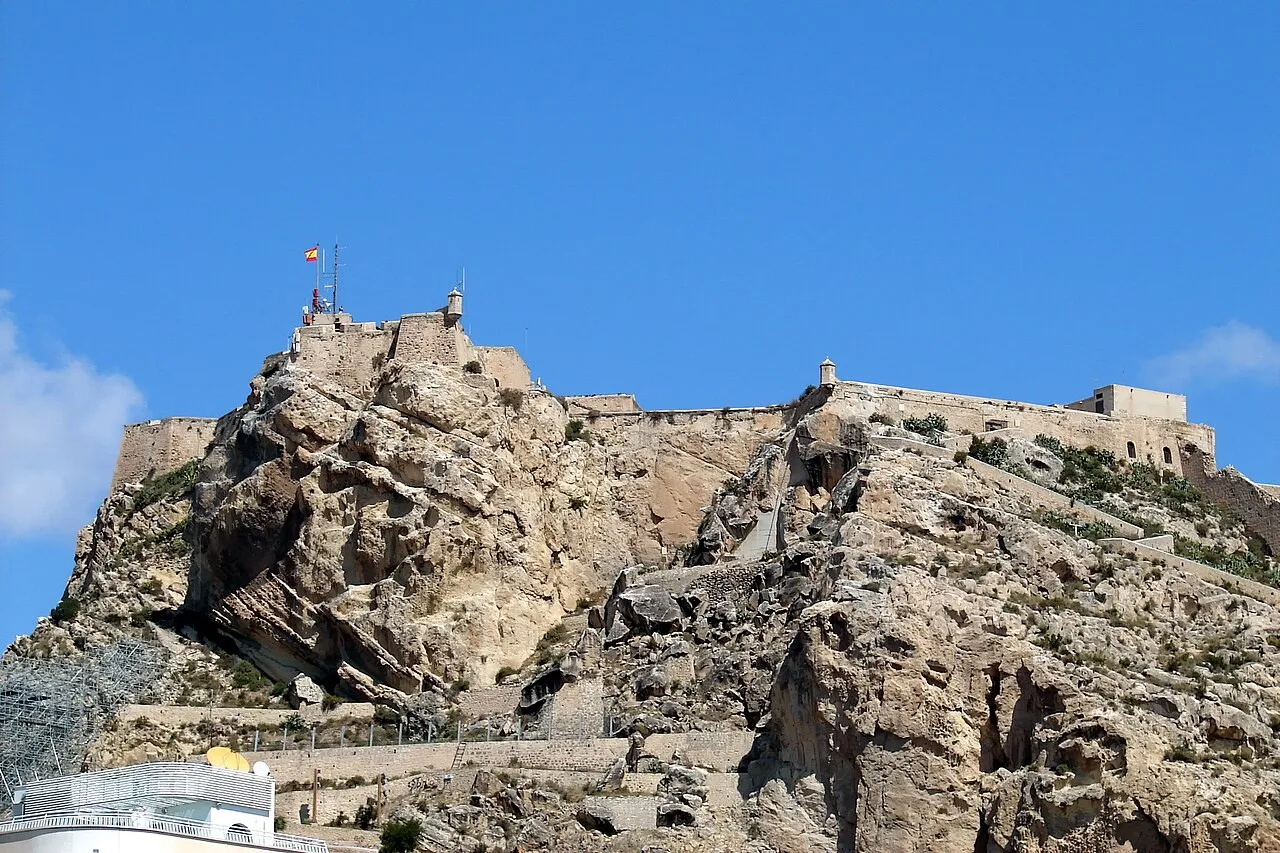
1Santa Bárbara Castle: La Torreta

Santa Bárbara Castle: La Torreta

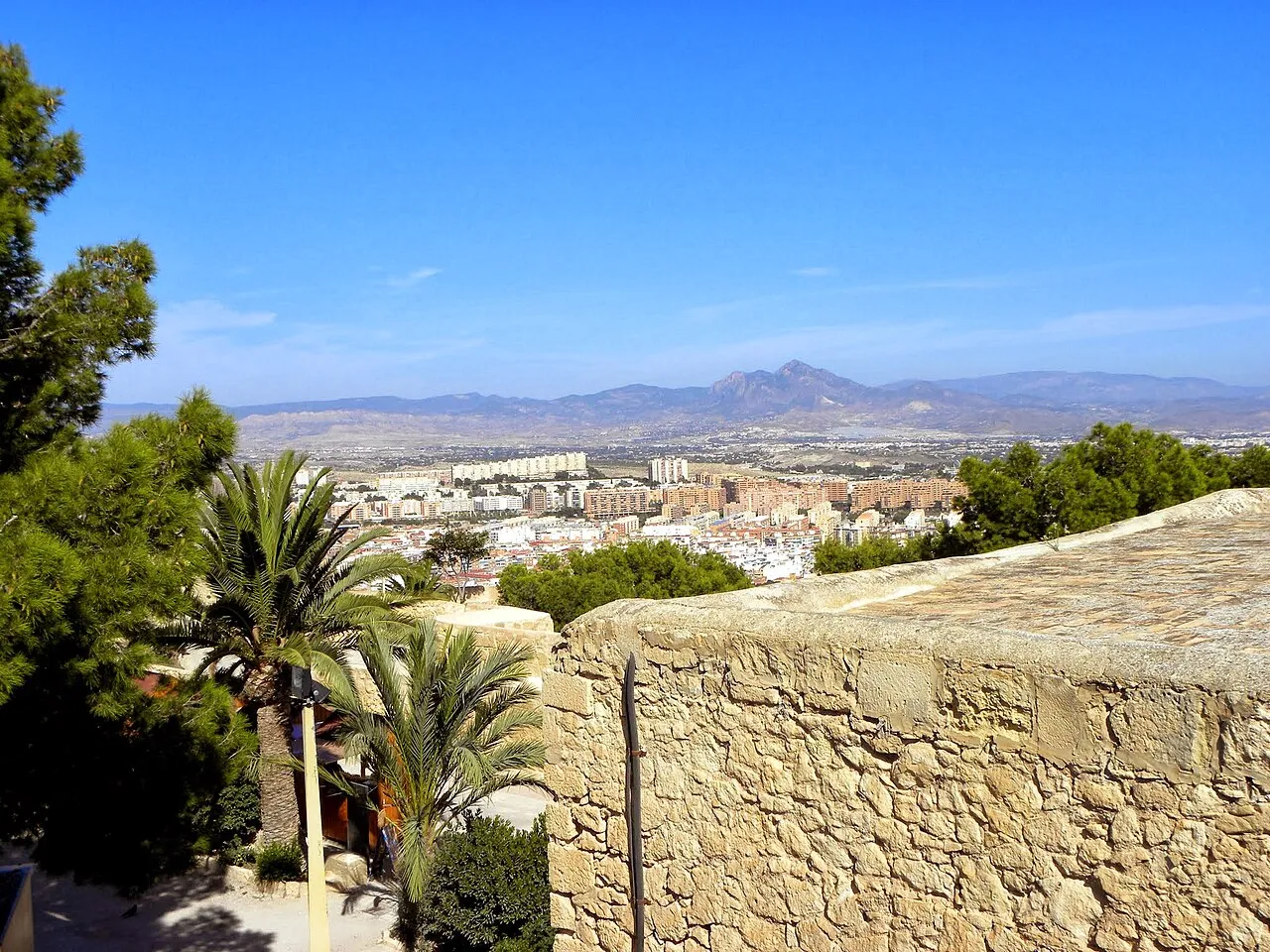
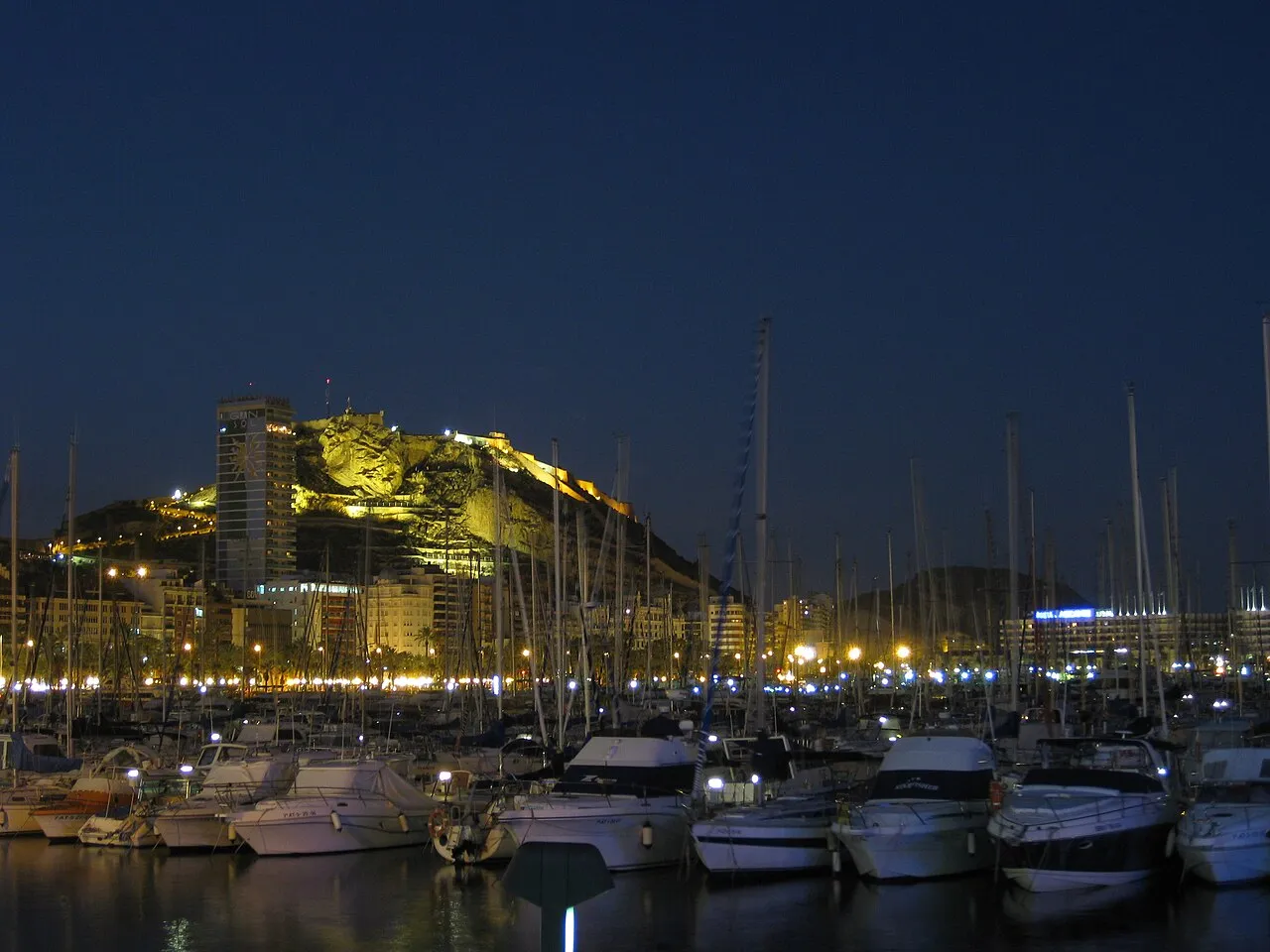
The Muslims saw the obvious in the ninth century: whoever holds this crag holds the city, the bay and every road. It was taken on 4 December 1248, Saint Barbara's day, and the saint kept the name. La Torreta, at the summit, is the oldest part of the whole, and the 360-degree view explains the entire history of Alicante without a single sign.

🎧 Santa Bárbara Castle and the old town📍 View on Google Maps
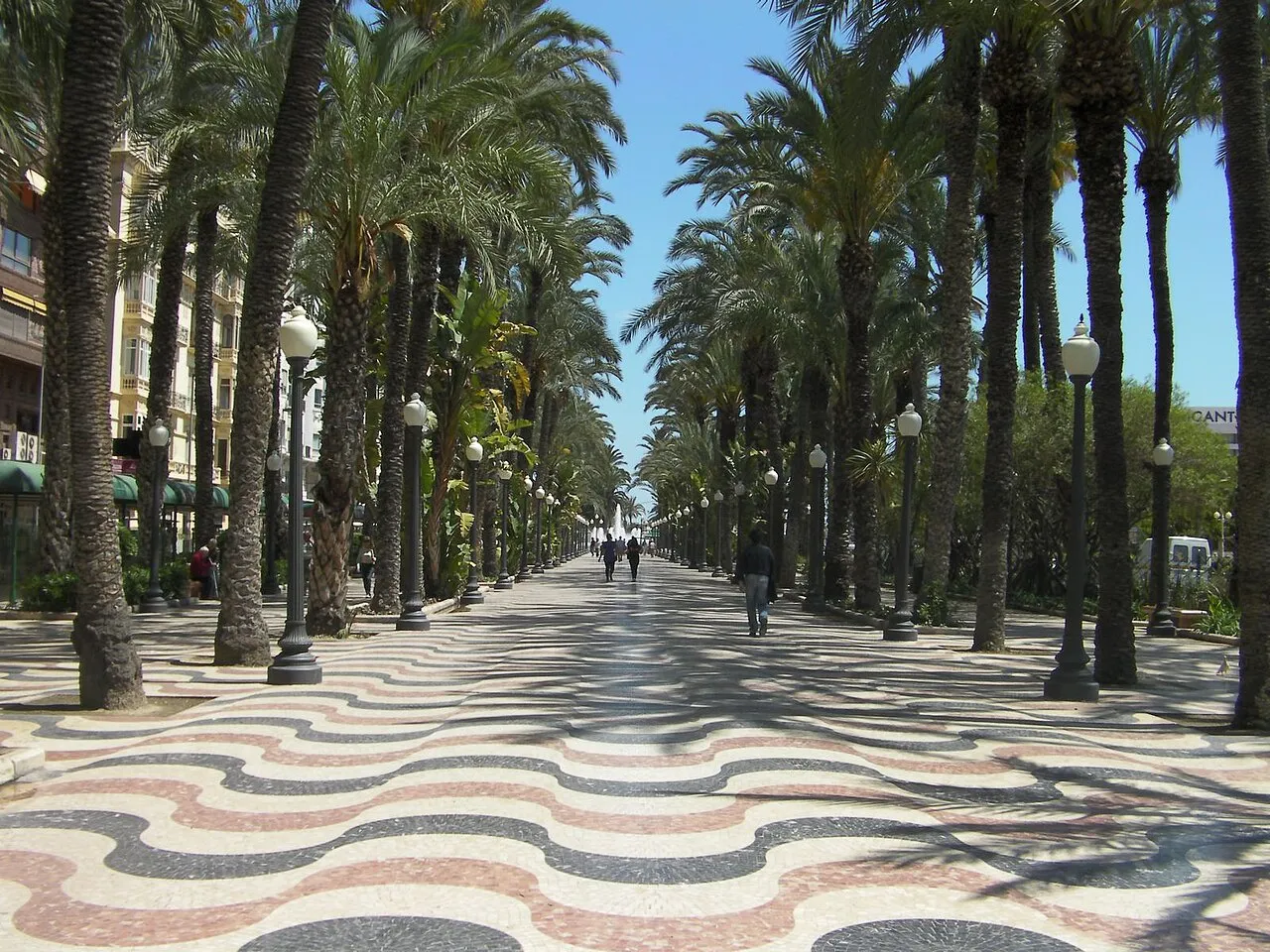
2Explanada de España

Explanada de España

Half a kilometre of promenade beneath four rows of palm trees, with an undulating mosaic underfoot: more than six and a half million marble tesserae in red, cream and blue. Walking and looking down, the waves seem to advance with you. A surprise: it was laid at the end of the fifties, though it looks as though it had always been there.

🎧 The Explanada, the port and the Postiguet📍 View on Google Maps
3Santa Cruz Quarter

Santa Cruz Quarter

Whitewashed houses, coloured doors and flowerpots everywhere, climbing the slope of the hill. The lime is not only aesthetic: it was cheap, it bounces back the sun and it disinfects. It is still a neighbourhood of residents who water and hang out washing, not a stage set, and in May and June it transforms with the crosses and the Hogueras.

🎧 Santa Bárbara Castle and the old town📍 View on Google Maps
4Co-Cathedral of San Nicolás de Bari

Co-Cathedral of San Nicolás de Bari

Pure Herrerian: outside, austere stone without a single ornament, and inside a dome of almost forty-five metres that floods everything with light. Its Chapel of the Communion is a Baroque explosion contrasting with the severity of the rest. The patron came out of a date: the city was taken on 6 December 1244, Saint Nicholas's day.

🎧 Santa Bárbara Castle and the old town📍 View on Google Maps
5MACA, Museum of Contemporary Art

MACA, Museum of Contemporary Art

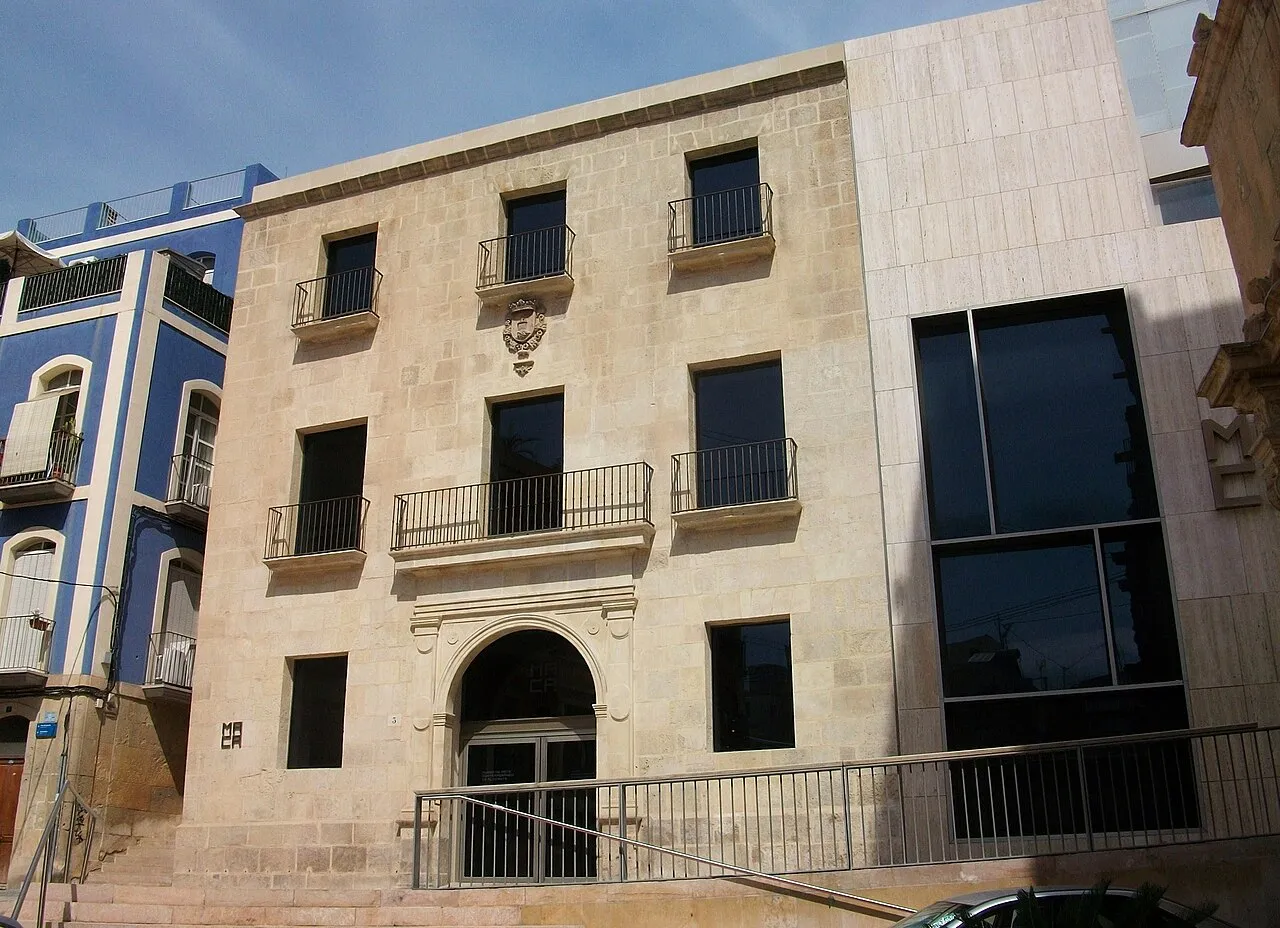
Picasso, Miró, Dalí, Chillida, Tàpies, Kandinsky, Chagall and Giacometti, with free entry. It came here because an artist from Alicante, Eusebio Sempere, gathered almost two hundred works and instead of selling them gave them to his city. It is the last thing you expect to find in a city of this size.

🎧 The museums: MACA, MUBAG and MARQ📍 View on Google Maps
6Postiguet Beach

Postiguet Beach

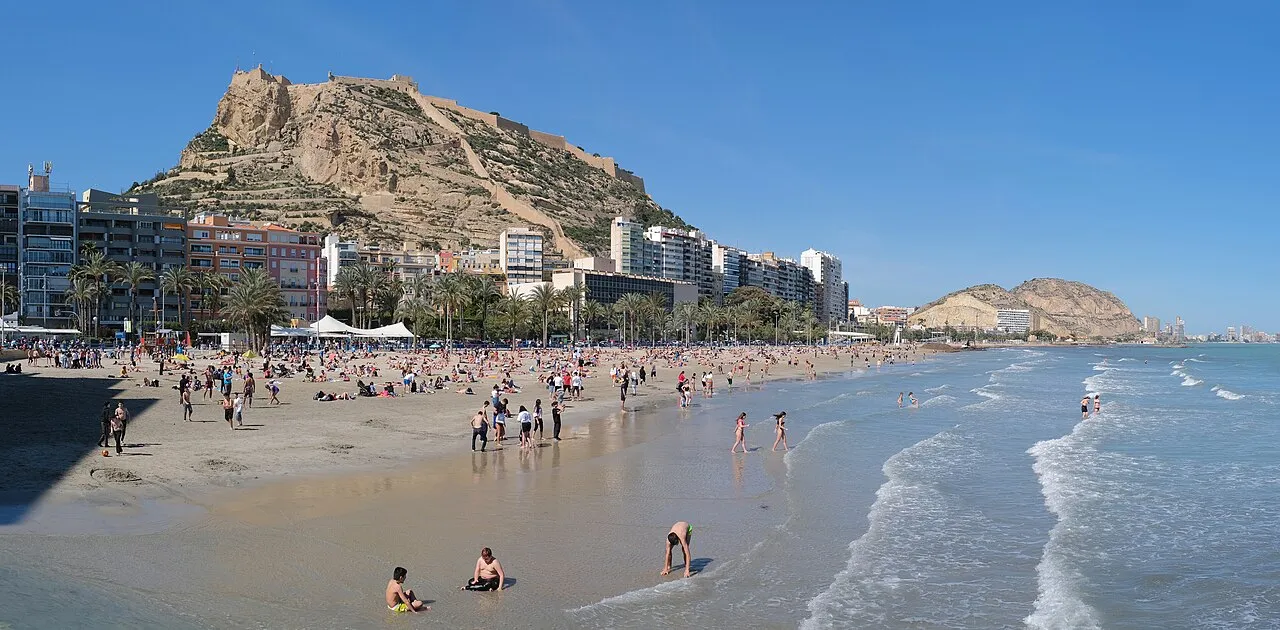
Almost a kilometre of sand right in the centre, with the hill and the castle behind like a backdrop. Here you do not need to take the car to swim. Look at the profile of the hill from the shore: you can make out a forehead, a nose and a chin. The people of Alicante call it the Cara del Moro.

🎧 The Explanada, the port and the Postiguet📍 View on Google Maps
7Philip II Enclosure and the Patio de Armas

Philip II Enclosure and the Patio de Armas

The king had the castle rebuilt between 1562 and 1580 with Italian military engineers, because the Barbary corsairs had the coast terrified. Hence these low, thick, battered walls, made so that the projectile glances off. Inside is the MUSA, the City Museum.

🎧 Santa Bárbara Castle and the old town📍 View on Google Maps
8Central Market

Central Market

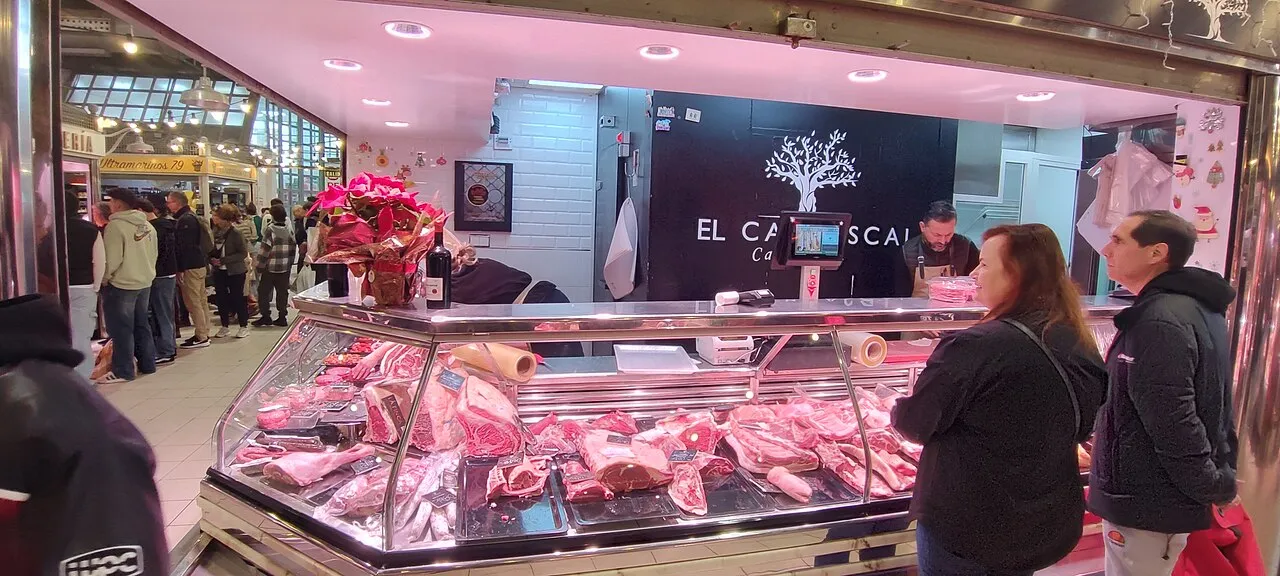
Eclectic with Valencian modernisme, by Fajardo and Juan Vidal, with almost three hundred stalls. And the city's deepest wound: on 25 May 1938 it was bombed in the middle of the morning, full of people doing their shopping. More than three hundred dead, and for decades it was presented as an accident.

🎧 The Rambla, the Central Market and Los Luceros📍 View on Google Maps
9Casa Carbonell

Casa Carbonell

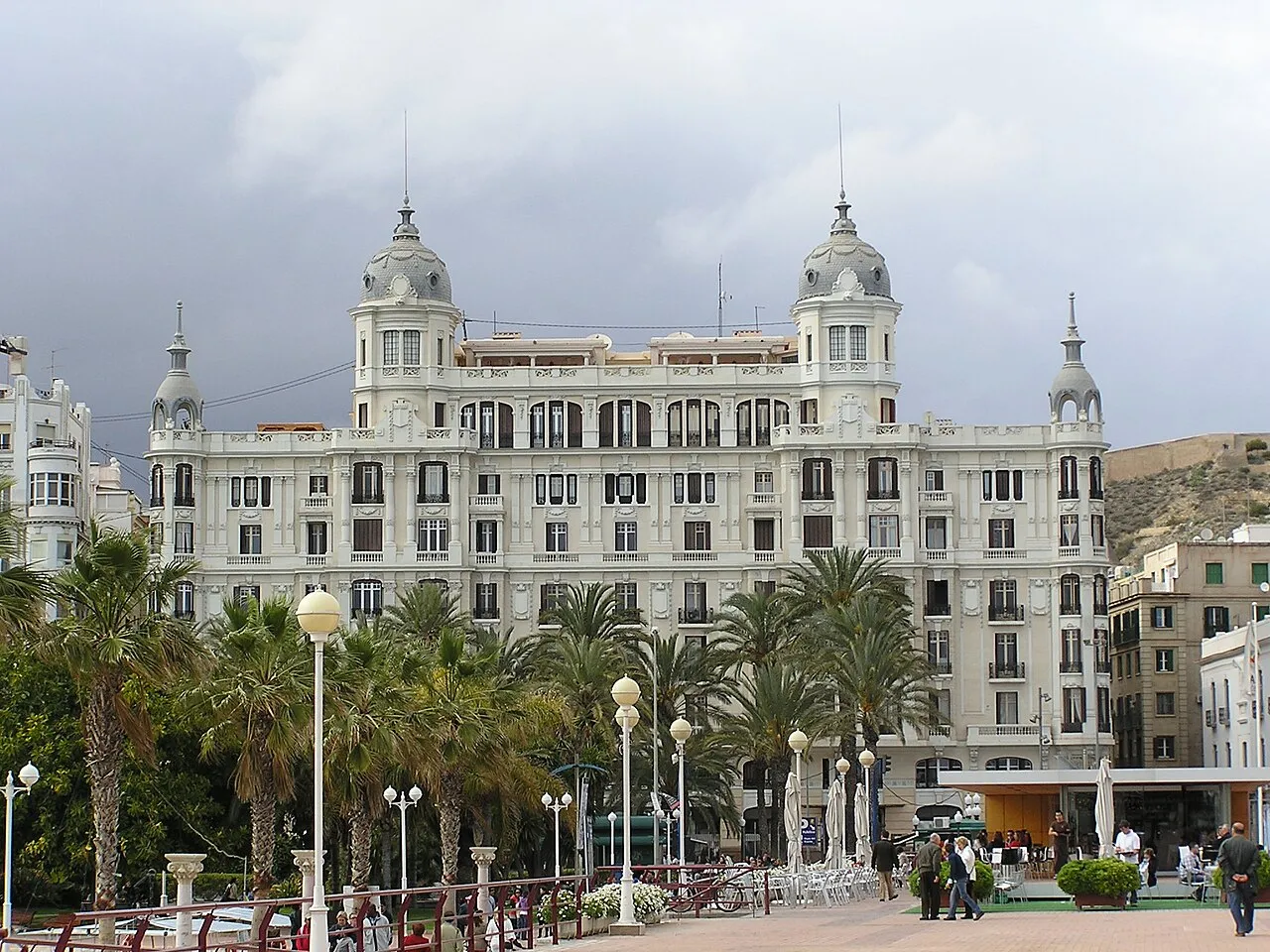
The most elegant building on the seafront, and a revenge in stone: it was raised by an industrialist from Alcoy who felt slighted there and decided to build here the most expensive and conspicuous thing possible, on the front line, so that it would be seen from the ships. It came off so well that the whole city adopted it.

🎧 The Explanada, the port and the Postiguet📍 View on Google Maps
10Alicante City Hall

Alicante City Hall

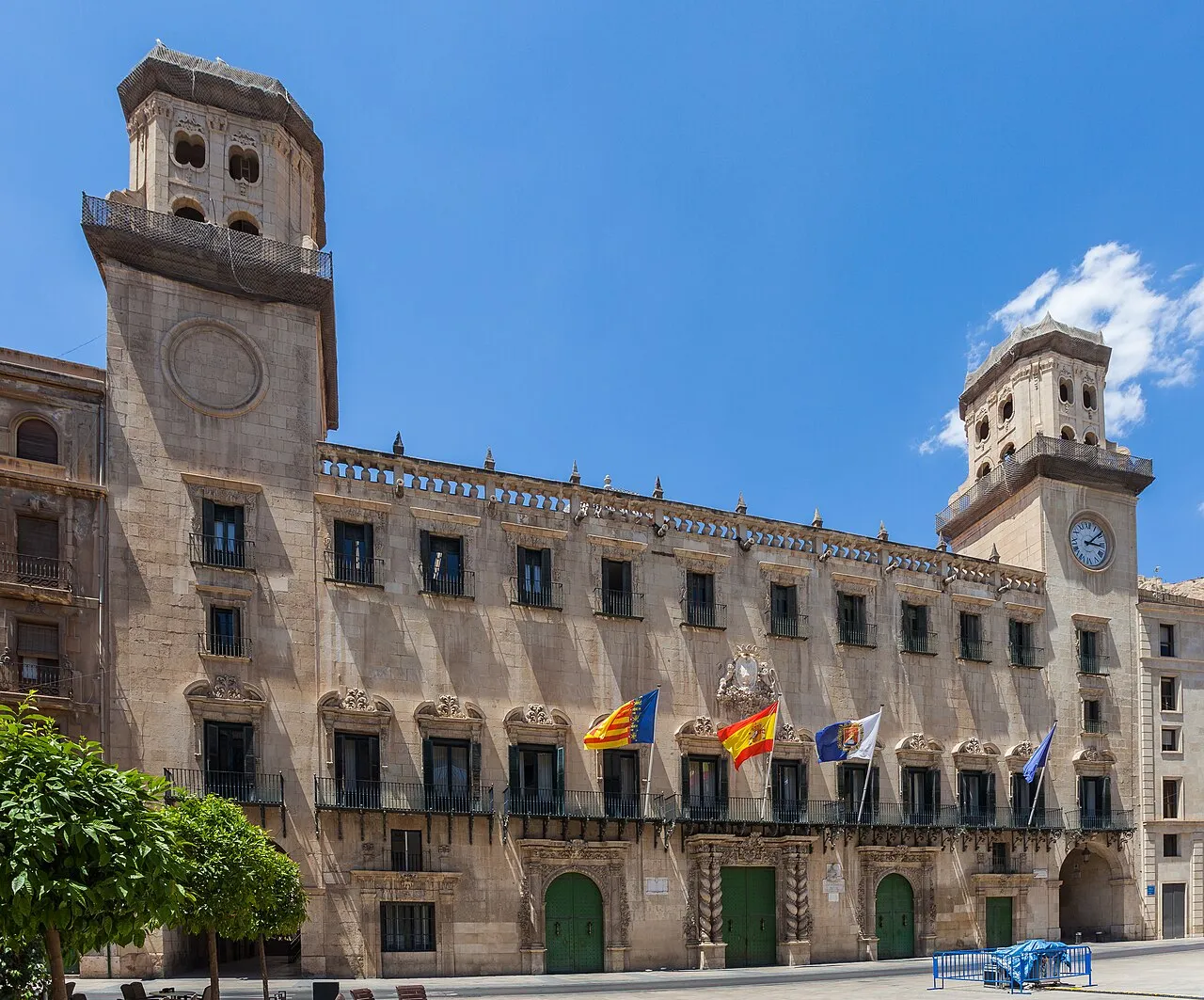
Eighteenth-century Baroque with two twin towers of thirty-five metres and rigorous symmetry. Isabella II slept here when she came in 1858 to open the Madrid-Alicante railway. And in its entrance hall is the Cota Cero, the point from which all altitudes in Spain above sea level are measured.

🎧 Santa Bárbara Castle and the old town📍 View on Google Maps
11MARQ, Archaeological Museum of Alicante

MARQ, Archaeological Museum of Alicante

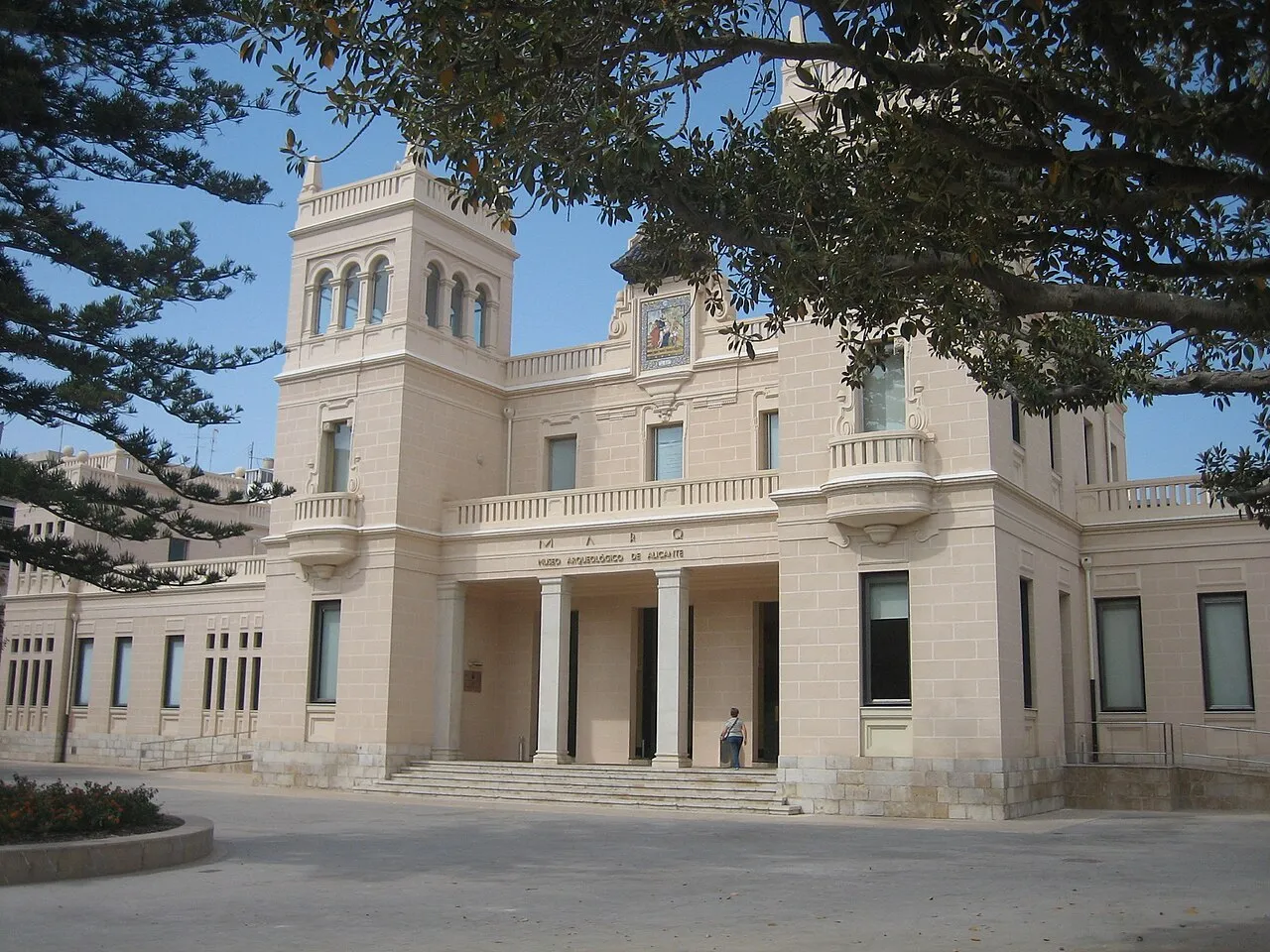
European Museum of the Year in 2004, an award it shares in Spain with only a handful of names. It changed the way archaeology is told: light, sound and rooms that transform, almost like a stage production. It holds what came out of Lucentum, the Roman city from which the name of Alicante comes.

🎧 The museums: MACA, MUBAG and MARQ📍 View on Google Maps
12Plaza de los Luceros

Plaza de los Luceros

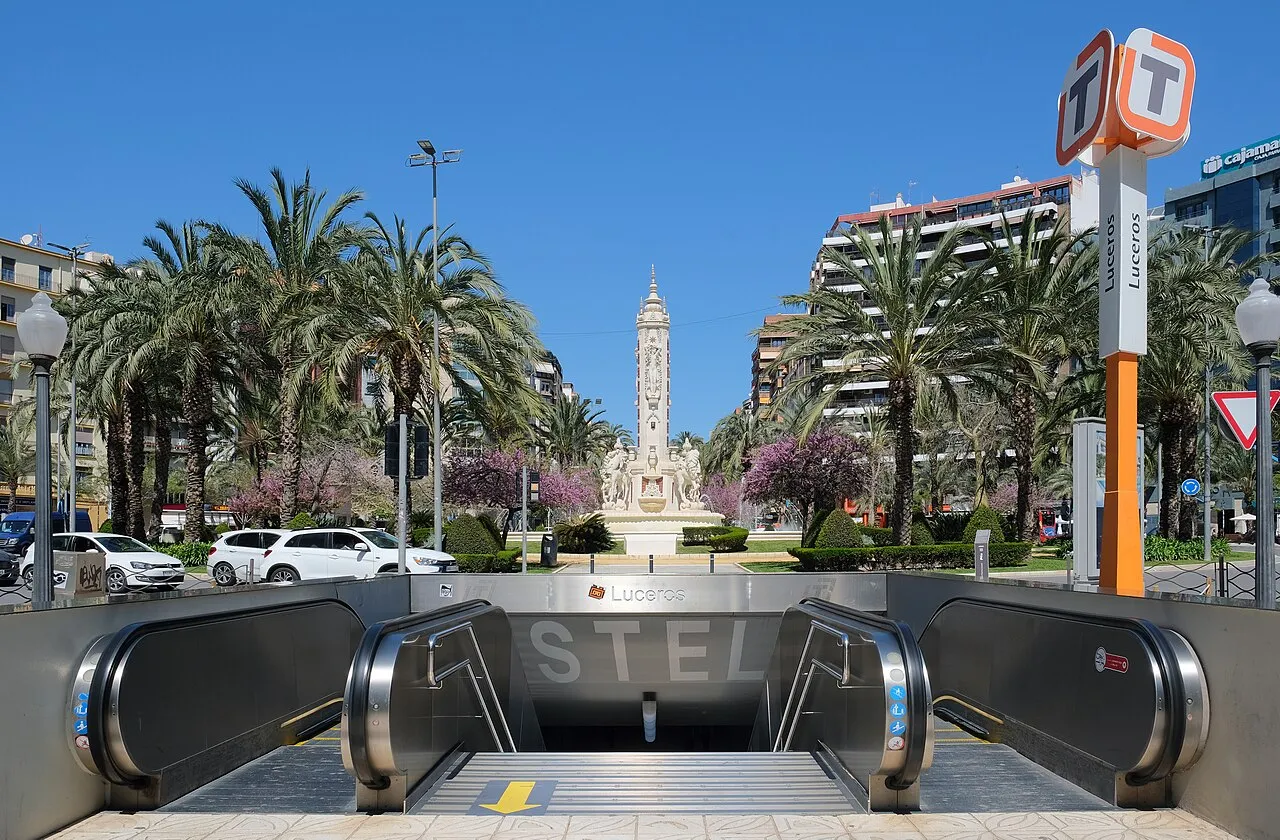
A monumental fountain modelled, not carved: marble sand and white cement. The figures are the Hesperides and their tree of golden apples. Four avenues converge here, and every midday in June the mascletás of the Hogueras are set off, making the ground shake underfoot.

🎧 The Rambla, the Central Market and Los Luceros📍 View on Google Maps
13Port of Alicante

Port of Alicante

Alicante was a port before it was a city. Out of here went Fondillón, a sweet aged red exported across half of Europe and said to have been the favourite of Louis XIV. In 1858 the train made it the port of Madrid, and from its quays the boats for Tabarca leave today.

🎧 The Explanada, the port and the Postiguet📍 View on Google Maps
14Canalejas Park

Canalejas Park

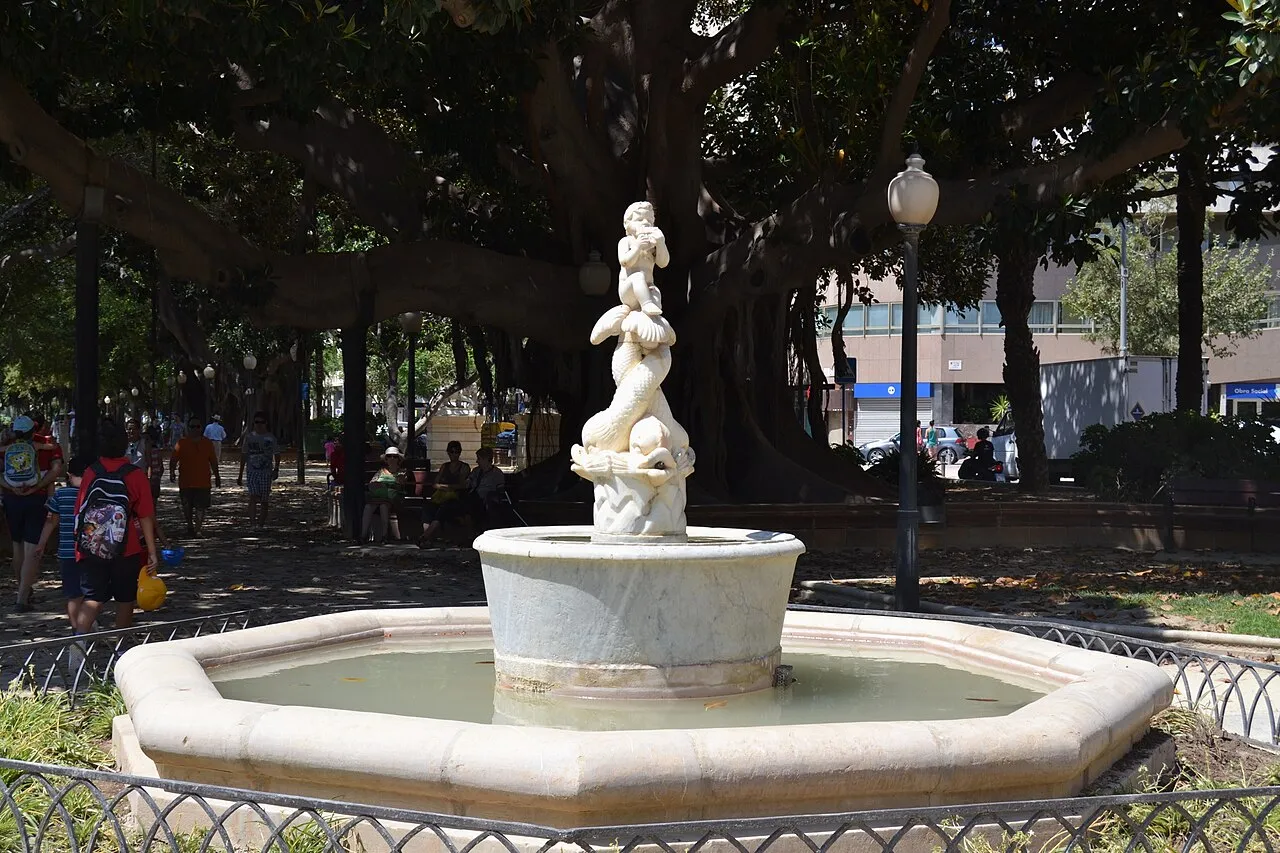
The oldest park in the city, from 1886, on the old shipyards. Its ficus trees are hundred-year-old Australian figs that send out aerial roots from the branches and lift the pavement. They form a cathedral nave made of leaves, and in summer it is one of the coolest places in the centre.

🎧 Canalejas, San Fernando and the parks📍 View on Google Maps
15MUBAG, Gravina Museum of Fine Arts

MUBAG, Gravina Museum of Fine Arts

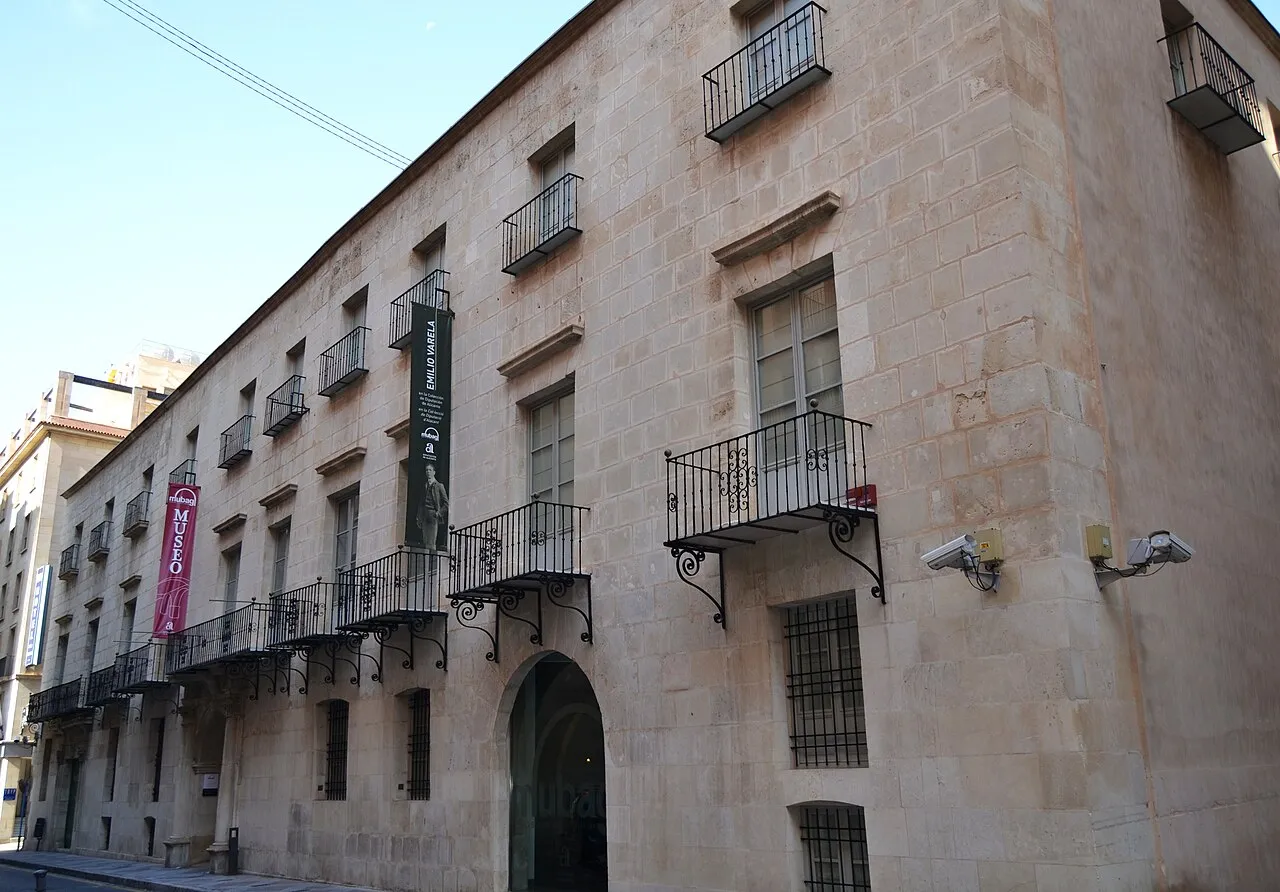
The most stately palace of the eighteenth century in Alicante, with four centuries of painting inside and works lent by the Prado. The name of the house is Emilio Varela, heir to the light of Sorolla, who stayed here instead of going to Madrid or Paris and took decades to be recognised.

🎧 The museums: MACA, MUBAG and MARQ📍 View on Google Maps

Walking tours in Alicante

🎧 Canalejas, San Fernando and the parks · Santa Bárbara Castle and the old town · The Explanada, the port and the Postiguet · The museums: MACA, MUBAG and MARQ · The Rambla, the Central Market and Los Luceros

Frequently asked questions

How many days do you need to see Alicante?

Two full days cover the castle, the old town, the Explanada, the three museums and the beach unhurriedly. With one you can do the essentials — castle, Santa Cruz, co-cathedral and Explanada — but the museums are left out, and they are one of the city's greatest surprises. With three, the excursion to Tabarca fits in.

How do you get up to the castle of Santa Bárbara?

There are three ways: by lift, from an entrance cut into the rock opposite the Postiguet beach, which is the comfortable, paid one; by car along the hill road; or on foot from the Santa Cruz quarter, which is a demanding walk but the loveliest. The castle itself is free: you only pay for the lift.

Which museums are worth it in Alicante?

Three, and the order of surprise is this: the MACA, with Picasso, Miró, Dalí and Chillida, and free entry; the MARQ, European Museum of the Year 2004, which asks for a whole morning; and the MUBAG, with four centuries of painting in an eighteenth-century palace. The MACA and the MUBAG are two minutes from each other in the old town.

Can you go to the beach from the centre?

Yes, and it is one of the things that set Alicante apart: the Postiguet beach is right in the centre, ten minutes on foot from any point. If you are after more space, San Juan beach is twenty minutes away by tram and is far wider. And from the port boats leave for Tabarca, half an hour's sailing away.

When is the best time to visit Alicante?

Spring and autumn, for temperature and crowds. June has a strong draw: the Hogueras de San Juan, the great festival of the city, declared of international tourist interest, with monuments of card and wood that burn in the cremà on the night of the 24th and mascletás every midday on the plaza de los Luceros.

What do people eat in Alicante?

Rice dishes, above all arroz a banda and arroz con costra; caldero; fish from the market and salt-cured fish — mojama, dried roe; and from the district's market gardens, artichokes and ñora peppers. For dessert, turrón from Jijona, which is right next door. To drink, wines of the Alicante denomination, with the monastrell grape, and Fondillón if you find it.
Alicante on the map

The 15 must-sees, point by point.

🎧 With Viavoy

Walk Alicante and listen at your own pace

Download Viavoy and walk Alicante offline, whenever you like.

from 2,99 €· one-off payment
City Pass · 9,99 €3 days, all the tours in Alicante
Find out more about Viavoy →
Viavoy app

In the Magazine

Keep discovering Alicante

Itineraries

Alicante in 2 days: castle, old town, museums and beach

History

Alicante and the war: the Stanbrook, the market and the camps

Nature

The parks and viewpoints of Alicante: free shade and views without a queue

History

Castillo de Santa Bárbara: how to get up, what to see and what it costs